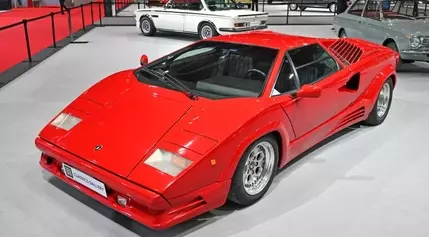
The Rise of the Modern Classic Car Collectors: Gen Z Leads the Charge
The classic car market has long been dominated by baby boomers, but a generational shift is underway. A recent survey by Hagerty, a leading classic car insurer, reveals that Gen Z (those born between 1997 and 2012) is expressing significantly greater interest in owning classic cars compared to their older counterparts. This shift in collector preferences is reshaping the industry and opening up new opportunities for younger enthusiasts.Younger Generations Embrace the Joy of Driving
The Changing Collector Landscape
For years, the classic car market was firmly in the hands of baby boomers, who were drawn to the nostalgia of 1950s cars, post-war models, and pre-war vehicles. However, this landscape is now evolving. Millennials, now earning more, and their younger Gen Z counterparts are showing a growing interest in newer cars from the 1980s, 1990s, and 2000s.This shift in collector preferences is driven by a combination of factors. After the financial crisis of 2008, many younger individuals struggled to afford cars, not because they lacked interest, but due to the challenging job market. Now, with improved economic conditions, more and more people can afford to indulge in their passion for classic cars.The Rise of Modern Classics
The popularity of online auction platforms like Bring a Trailer and Cars & Bids has also fueled the buying frenzy for these modern classics. These platforms have made it easier for collectors to access a wider range of vehicles, from late-1980s Lamborghini Countachs to 2000s-era BMW M3s and the radical Plymouth Prowler from the late 1990s.Hagerty's 2024 Bull Market list highlights these modern classics as cars that may increase in value in the coming years. The list includes vehicles that were once considered everyday cars but are now gaining recognition as collectible items.The Shift in Collector Preferences
The generational shift in collector preferences is not just about the age of the vehicles. It's also about the way younger buyers approach the classic car market. While baby boomers were primarily interested in the investment potential of their collections, Gen Z and Millennials are more focused on the joy of driving and the personal connection they feel with the cars they own."When you're buying a fun car," says McKeel Hagerty, CEO of Hagerty, "spend the money that you can afford to spend. Buy something that you really like. Don't worry about whether that value's going to go up very much; just have fun driving it, and then you can go from there."This shift in mindset is a refreshing change in the classic car market, where the focus is shifting from pure investment to the pure enjoyment of the driving experience.The Emergence of New Collector Trends
As younger generations become more involved in the classic car market, new collector trends are emerging. Hagerty's 2025 Bull Market list is expected to highlight even more vehicles from the 1980s, 1990s, and 2000s that are gaining attention from collectors.These modern classics are often more affordable and easier to maintain than the "holy grail" cars from the past, making them more accessible to a wider range of enthusiasts. Additionally, the popularity of Japanese cars from the 1990s, such as the Toyota Supra, is on the rise, reflecting the diverse tastes of the new generation of collectors.The classic car market is undergoing a significant transformation, and the rise of Gen Z and Millennial collectors is at the forefront of this change. As these younger generations continue to embrace the joy of driving and the thrill of collecting, the future of the classic car industry looks brighter than ever.New



42.1K
841
201
News

12.6K
251
25
News






14.4K
287
129
Fashion